The bare board
A PCB is a laminate with copper traces, pads, plated holes, solder mask and legend. It is a passive interconnect: it does not work by itself.
It is accepted to IPC-6012B for rigid boards, with workmanship judged to IPC-A-600H, and it is electrically tested across every net before it ships. That test proves the copper pattern matches the netlist — nothing about components, because there are none.
The assembly
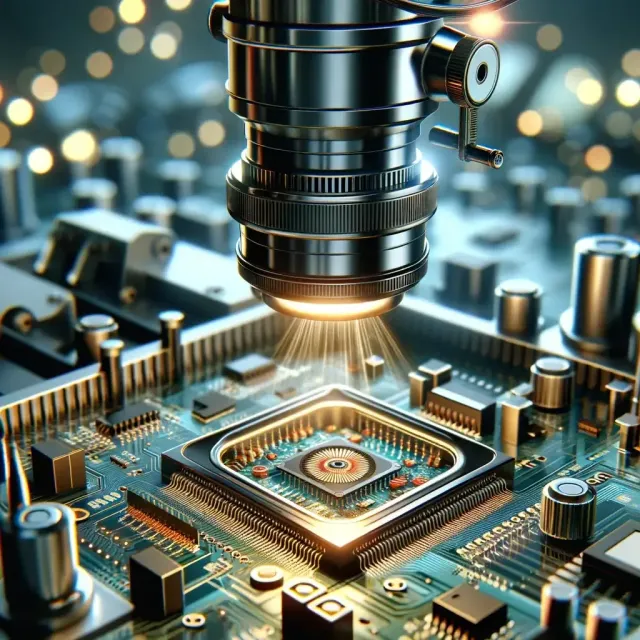
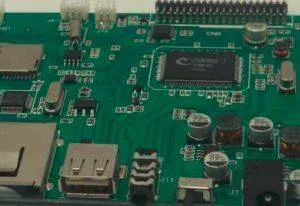
A PCBA is that board with components placed, soldered, inspected and tested. It is accepted to IPC-A-610 for workmanship, and it is tested against a specification that did not exist at the fabrication stage: in-circuit or flying probe for connectivity and values, X-ray for hidden joints, functional test for the product's behaviour.
The assembly stage also carries decisions the bare board never sees: component sourcing, moisture handling, paste and profile, stencils and test fixtures.
Why the distinction matters commercially
- Who buys the parts. Fabrication buys laminate and foil; assembly buys components. A turnkey order combines both, which is why the BOM belongs to the contract at the assembly level.
- Which acceptance standard applies. Quoting "IPC Class 2" without naming the standard leaves room for two different interpretations: IPC-6012 class 2 for the board, IPC-A-610 class 2 for the joints.
- Where a fault is traced. Bare-board test data and assembly test data are separate records. If only one exists, every failure becomes a discussion.
- What "tested" means. A bare board that passes electrical test can still fail assembly because of a finish problem; an assembly that passes functional test can still hide a marginal barrel. The two test plans cover different failure modes.
One site, two processes
When fabrication and assembly run in the same plant, the handoff disappears: the board does not leave the building between finish and assembly, incoming inspection of the bare board is an internal gate rather than a shipment, and a finish that causes solderability problems is caught by the same team that chose it.
That does not merge the standards. The board is still accepted to IPC-6012B and the assembly to IPC-A-610; the difference is that both records are produced in the same place, under the same quality system.
What to put on the order
For the bare board: Gerber set, stack-up drawing with copper weight, finish, acceptance class, impedance requirement and quantity.
For the assembly: the same bare-board package, plus BOM, assembly drawing with polarity and keepouts, firmware and test specification, and the order model — full turnkey, partial or consignment.
The published limits for both are on the capability page; the assembly side is described on the PCBA manufacturing page and the acceptance classes in the IPC class note.